
Plan Your Trek
Dingboche Travel Information
Everything you need to know before arriving in Dingboche.
For memorable Himalayan mountain experiences.
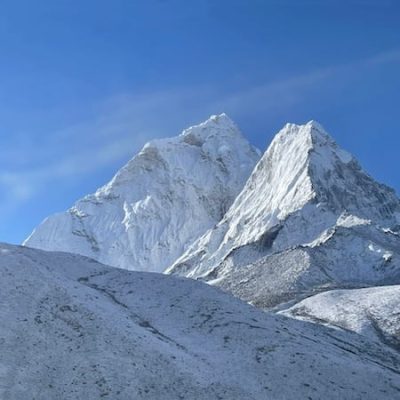
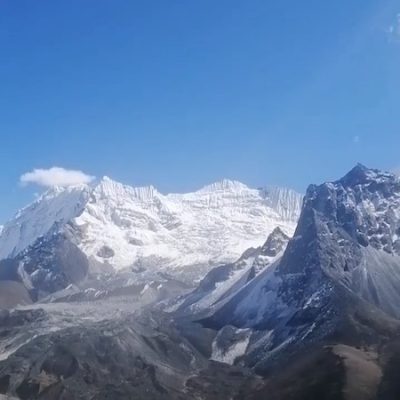
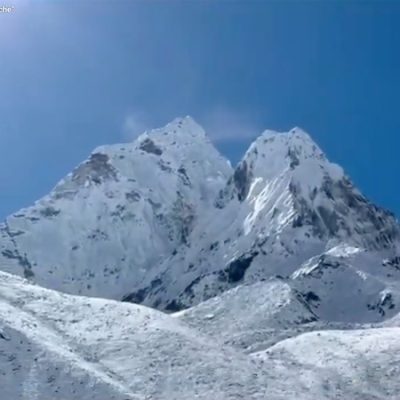
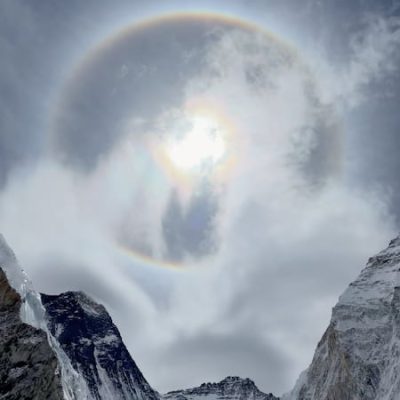
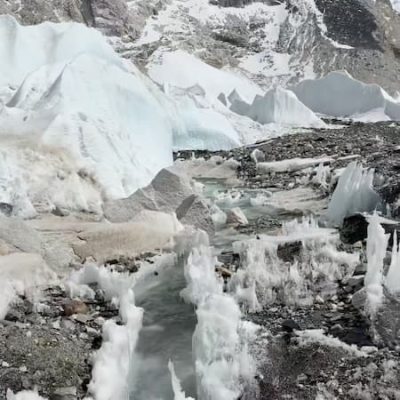
Dingboche Village
Acclimatisation Capital of Everest
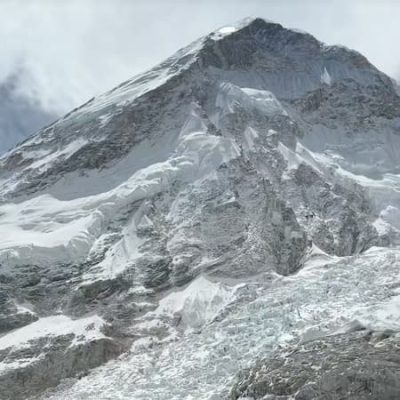
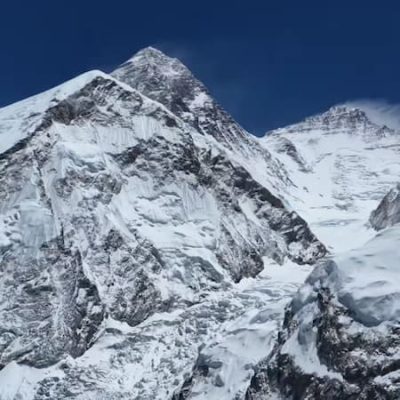
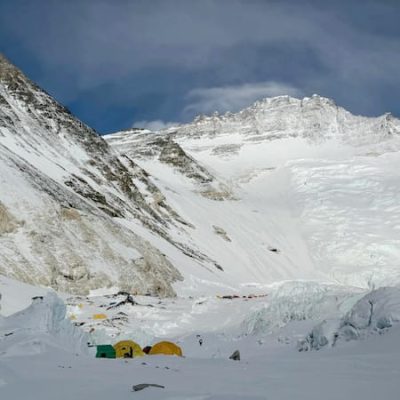
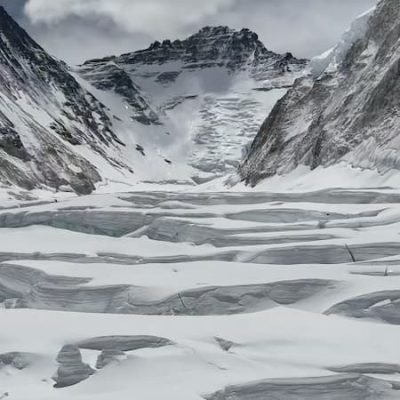
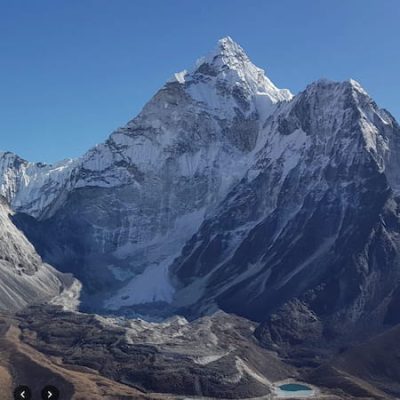
At 4,340 meters (14,239 feet), Dingboche is a Sherpa village in Nepal’s Sagarmatha National Park, and one of the most popular stops on the Everest Base Camp and Ama Dablam trek routes. What was once a summer settlement for yak herders has transformed into a thriving trekker hub, while still retaining its authentic mountain character.
The village is approximately 1,000m above Namche Bazaar, making an acclimatization rest day here essential for trekkers heading to higher elevations. Most groups spend at least 2 nights in Dingboche before pushing toward Lobuche, Island Peak or Everest Base Camp.
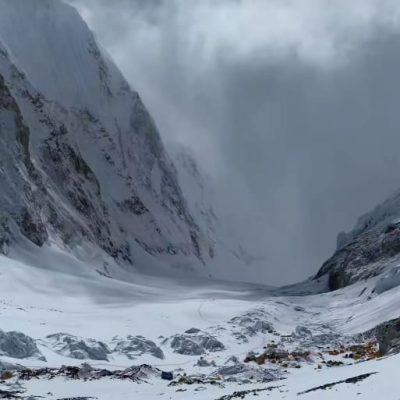
The surrounding landscape is dramatic – the entire Imja Valley is characterised by kilometers of ancient stone walls. The Imja River flows directly east of the village, and the helicopter landing pad 5 minutes walk away serves as a gateway to Lukla and Everest Base Camp.
⛰ Altitude Context on the EBC Trail
Getting to Dingboche
Your Journey Begins
There are two main ways to reach Dingboche – via the classic trek from Lukla or by helicopter. Here’s what to expect.
Bright Star Lodge sits in the village of Dingboche.
Most trekkers arrive on foot, following the classic Everest Base Camp route via Lukla, Phakding, Namche Bazaar, and Tengboche.
A helicopter landing pad is located nearby for those flying in (acclimatisation is necessary first).
Permits Required
You’ll need to ensure all your paperwork is in order, including:
TIMS Card (Trekkers Information Management System)
Sagarmatha National Park Permit
Available in Kathmandu at Nepal Tourism Board or Namche
Bring passport photos and copies
By Air to Lukla
The most common approach. Fly from Kathmandu or Ramechhap to Lukla’s Tenzing-Hillary Airport (IATA: LUA).
Flight takes ~30 minutes.
Then trek ~4-5 days to Dingboche.
- Book flights well in advance (especially spring)
- Weather delays common due to cloud cover at altitude — build buffer days into itinerary
- Airlines: Tara Air, Summit Air, Sita Air
By Helicopter
Charter helicopters can fly directly to the Dingboche landing pad – just west of the village near the Khumbu Alpine Conservation Council office.
Faster but expensive. We can arrange your helicopter transfers. However, if you do not trek in, you need to be pre-acclimatised.
- Direct heli transfer from Lukla possible
- Landing pad near Bright Star Lodge
Classic Trek Route
Day 0: Kathmandu, Nepal (1,400m)
Arrive in Kathmandu. Obtain TIMS card and Sagarmatha National Park permit. Short domestic flight to Lukla arranged.
Day 1: Lukla → Phakding (2,610m)
Fly to Tenzing-Hillary Airport at Lukla (30 mins). Begin trek through rhododendron forests, crossing suspension bridges over the Dudh Kosi river.
Day 2: Phakding → Namche Bazaar (3,440m)
Trek through the Sagarmatha National Park entry checkpoint. First views of Everest from Namche Hill. Two nights recommended here for acclimatization.
Day 3: Namche Bazaar AcclimatiSation (OPTIONAL)
Rest day with optional hikes to Everest viewpoint at Syangboche (3,780m) or Khumjung village. Useful for those who need time to acclimatise.
Day 4: Namche → PANGboche (3,985m)
Trek past Khumjung village with spectacular views of Ama Dablam. Visit the famous Tengboche Monastery.
Day 5: PANGBOCHE → Dingboche (4,340m)
Trek through Pangboche village, crossing the Imja Khola river. Dramatic views unfold as you enter the wide Imja Valley. Arrive at Bright Star Lodge!
Day 6-8: Dingboche Acclimatization (4,340m)
Stay 2-3 nights at Bright Star Lodge. Day hike to Nangkartshang Peak (5,083m) or Chhukhung Valley. Rest, acclimatise, recover and enjoy spectacular views of Ama Dablam.
Continue on to Lobuche and EBC, or to Chukkhung and Island Peak.
When to Visit
Best Seasons for Trekking
Dingboche is accessible year-round, but certain seasons offer significantly better trekking conditions, visibility, and safety.
Day temperatures range from 5°C to 15°C in peak seasons, dropping to -15°C or lower at night in winter.
🌸
Spring
March – May
Stable weather, excellent visibility, rhododendrons in bloom. The most popular climbing and trekking season. Book early!
Monsoon
June – August
Heavy rainfall, floods on lower trails, poor visibility. Generally not recommended, though Dingboche sits in a rain shadow zone.
🍂
Autumn
Sept – November
Crystal clear skies, outstanding mountain views, stable temperatures. A favourite for spectacular photography.
❄️
Winter
Dec – February
Very cold, heavy snowfall normal, some lodges close. Stunning snow landscapes, but fewer trekkers, and requires serious weather prep.
Essential Acclimatisation
Practical Tips for High Altitude
Allowing adequate time for acclimatisation is not optional. It is critical for your safety and success on the mountain. Small symptoms ignored at altitude can become serious. Take it slow. Drink plenty of water. Eat well, even when appetite fades
The "Climb High,
Sleep Low" Rule
During your rest day in Dingboche, hike to a higher elevation during the day — then return to sleep at 4,340m. This stimulates red blood cell production without overtaxing your body.
- Morning hike toward Nangkartshang Peak (5,083m)
- Afternoon rest and hydration at the lodge
- Hearty dinner and early bedtime
- Minimum 2 nights before continuing
Hydration & Nutrition
at Altitude
- Drink 3 litres of water daily (more than usual)
- Avoid alcohol during acclimatisation days
- Eat carbohydrate-rich meals for energy
- Our restaurant provides nutritious, energy-rich mountain cuisine
- Bottled water available at the lodge.
Medical
Support
Bright Star Lodge has a doctor on call and our experienced staff are trained in identifying altitude sickness symptoms. Don’t hesitate to approach our team if you feel unwell – early intervention is key.
- Doctor on call 24/7
- Helicopter landing pad nearby for emergency evacuation
- Staff trained in altitude sickness recognition
- Pulse oximeters available on request
Acute Mountain Sickness (AMS)
WARNING SIGNS
- Persistent headache that worsens over time
- Nausea, vomiting, or loss of appetite
- Extreme fatigue and weakness
- Dizziness or difficulty with coordination
- Shortness of breath at rest
- Confusion or altered consciousness (SEVERE – descend immediately)
Day Hikes
Explore from Dingboche
Dingboche is surrounded by spectacular day hikes that help your body adjust and reward with extraordinary views.
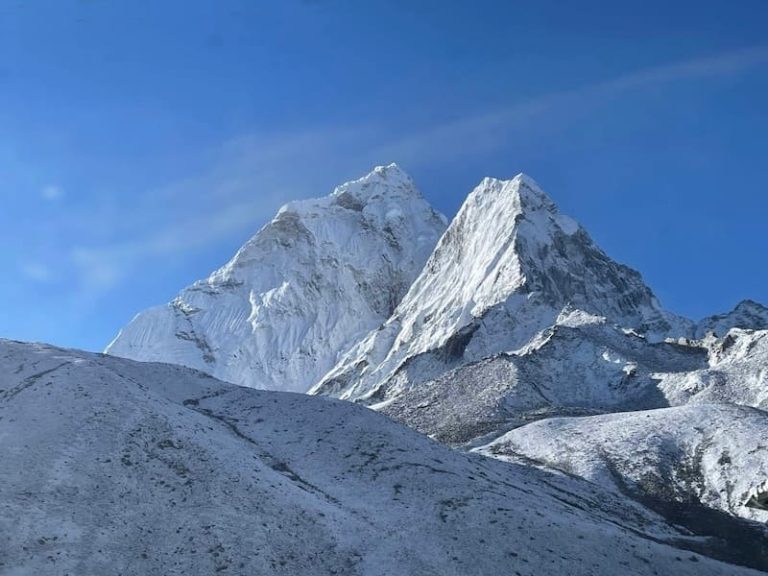
Nangkartshang Peak (5,083m)
The classic Dingboche acclimatisation hike. 3–4 hours return, steep but well-marked trail. Extraordinary 360° views of Ama Dablam, Makalu, Baruntse, and the entire Khumbu Himal. Highly recommended on of the rest days.
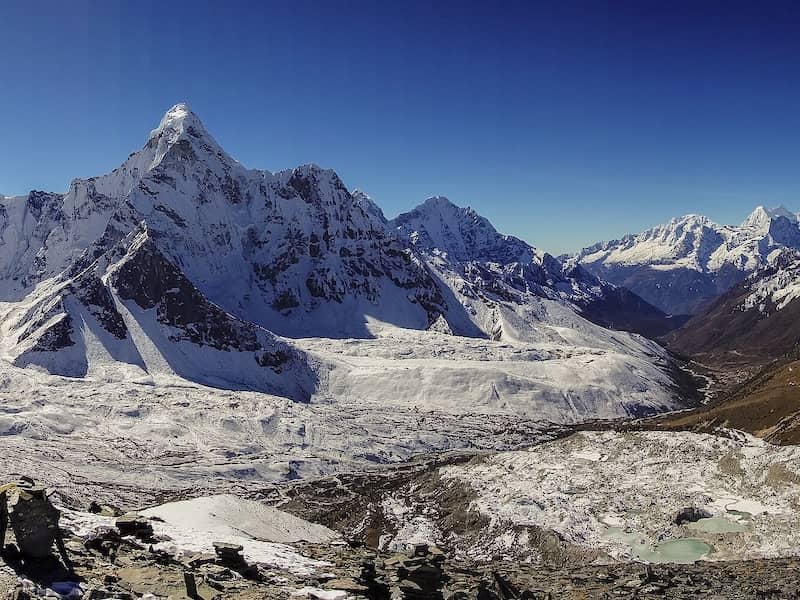
Chhukhung Valley (4,730m)
Trek east along the Imja Khola toward Chhukhung village. Outstanding views of Lhotse’s south face and Island Peak (Imja Tse). Option to push to Chhukhung Ri (5,550m) for experienced trekkers.
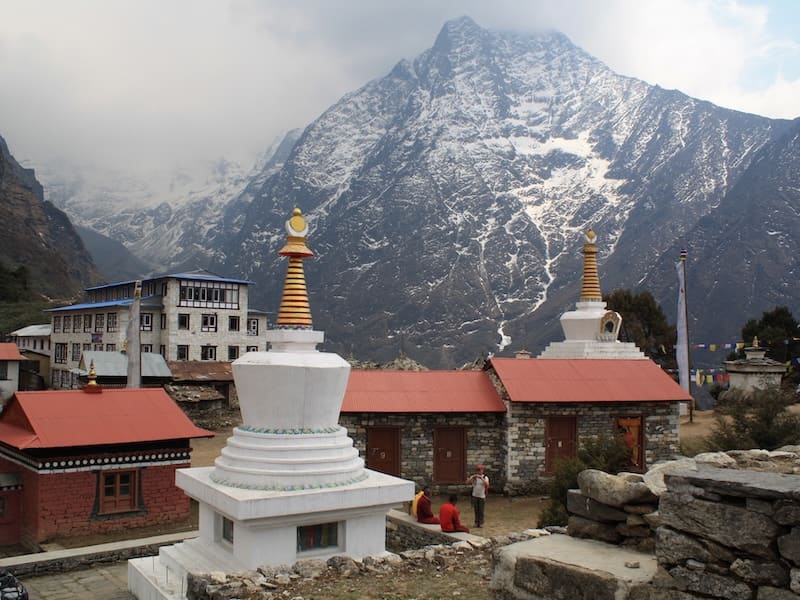
Imja Valley Exploration
Wander through the unique stone-walled fields of the Imja Valley. Explore traditional Sherpa architecture, prayer wheels, and mani stones that give Dingboche its timeless character.
Continue to Lobuche & EBC
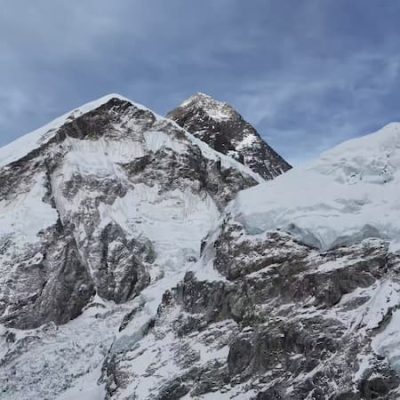
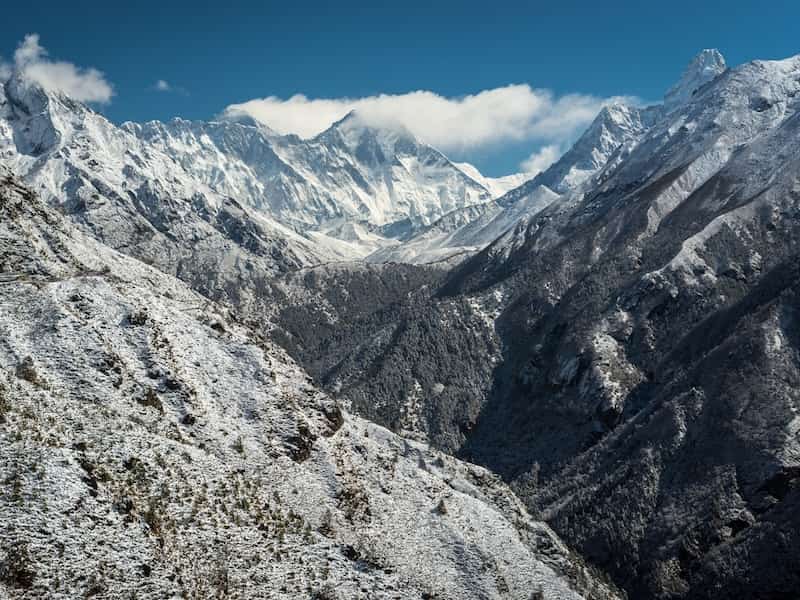
After your two nights, continue the main EBC trail via Dughla (4,620m) and Lobuche (4,940m) to Everest Base Camp (5,364m) or Kala Patthar (5,645m) for the famous Everest view.
Ready to Begin Your Adventure?
Plan Your Himalyan Journey
Have questions about traveling to Dingboche or the Everest Base Camp trek?
Our team at Bright Star Lodge is always happy to share their local expertise and help plan your stay.